
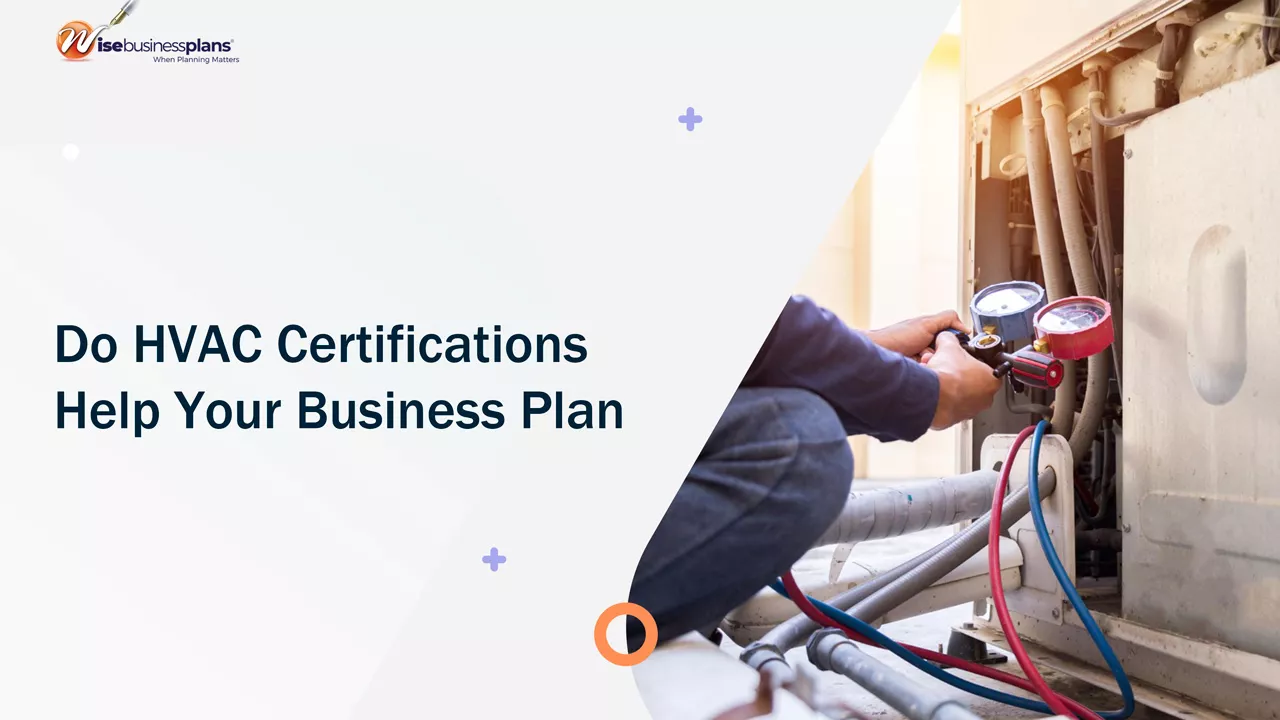
When you run an HVAC business, you can’t afford to cut corners when it comes to your employees’ skills and professional development. Investing in certifications like NATE and EPA 608 can ensure that your teams are equipped to handle precise installations the right way. You’ll also build a better brand and reputation in the HVAC landscape, making your company a stronger investment option for lenders.
Yes, adding HVAC certifications can boost your business plan and, by extension, your business. Read on to learn how!
Demonstrate That You’re Meeting Industry Standards
If you apply for loans to finance equipment or new warehouse space, you’ll need to show banks or private lenders your business plan. And they’ll want to see evidence that you’re committed to fostering a safe work environment that is compliant with local and state licensing standards. That’s why it’s smart to spotlight the certifications you already have.
For example, the EPA Section 608 certification is a mandatory requirement for individuals working with refrigerants. The certification ensures that technicians know how to safely work with and dispose of refrigerant gas, which is an essential responsibility in the HVAC industry. And they’ll need to pass an EPA-issued test to show environmental compliance and earn the certification.
Look into NATE Certification (North American Technician Excellence), as well. This well-regarded certification for HVAC professionals can show that your technicians have met high standards for expertise in their HVAC speciality. Additionally, it’s wise to look at HVAC licensing regulations in your state. Make sure your business is current with licenses, and then display your license number as a visual cue that your business is responsible. When you list these certifications in your business plan, website, and marketing materials, you’ll help assure potential investors and clients that you’re a legitimate business.
Limit the Potential for Risks
If you’re searching for investors to give your business a boost, you’ll need to show them that you’re a low-risk operation. You can do that with the help of HVAC certifications. The right credentials can show that your employees are knowledgeable and reliable. Additionally, happy customers and low employee turnover can indicate that your company is stable.
HVAC certifications also show that the likelihood of mishaps on the job that could result in insurance claims is low. Investors want to feel confident that your technicians can do their jobs well without causing upset customers. And if you’re in compliance with state or federal guidelines, potential investors will know that you’re less likely to face fines for problematic business operations. Ultimately, credentials communicate that you take your business seriously and want to grow it.
Prominently Display Your Credentials
Don’t be shy about sharing your company’s HVAC credentials, either. You want to announce them early within your business plan to attract attention. Your executive summary, which offers a succinct snapshot of what your company is about, is a great place to mention them. Doing so early helps create a quick positive impression, enticing investors to keep reading.
You can go into greater detail in other sections of your plan. Specify your certifications and license numbers to build credibility. And if your team pursues continuing education opportunities, outline what that looks like, as well. Perhaps your technicians complete around 20 hours HVAC workshops or courses each year to stay compliant. Indicate the name of the company or trade organization that oversees the continuing education. In the portion of your plan where you introduce your team members, list the certifications and educational experiences of each technician or manager. Even better, include scanned copies of all certifications with your business plan PDF before sending it to investors and banks.
The Value of HVAC Certifications
HVAC certifications can spur your company to new heights. Yes, they may help you meet federal or local requirements to be operational. But they’re also an indication of your company’s focus on offering quality services. Certifications show investors and banks that you’re serious about supporting your technicians and operating your business carefully.
When you’re drawing up your business plan, don’t forget to highlight your HVAC certifications. Include them in the executive summary and other pertinent sections. You’ll help build your brand while encouraging potential investors to support your efforts. HVAC entrepreneurs can showcase technical credibility through a structured Bank Business Plan when applying for industry loans.


