
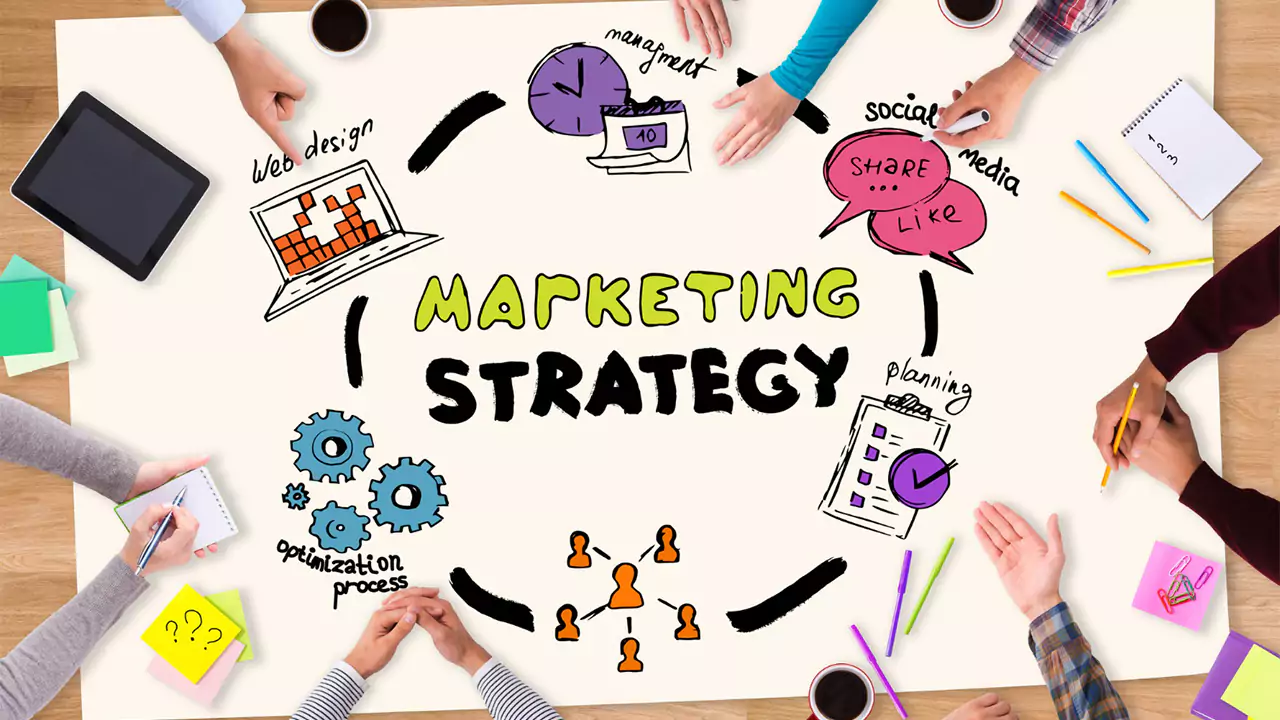
A small business demands a smart, adaptable marketing strategy that resonates with your target audience and builds lasting customer relationships. For example, professional business plan writing services can help integrate these marketing initiatives into a cohesive, investor-ready plan.
Forget outdated tactics; it’s time to embrace the latest trends, from digital experiences to geotargeting. Discover the most relevant marketing strategies for your small business.
The Allure of AI: MorLocal SEO Strategye Than Just Numbers
Start by optimizing your online presence for local visibility.
Ensure your Google Business Profile (previously, Google My Business) is updated.
Complete this profile with:
- Auto-generated Google reviews
- Images and media
- Location data
- Menus and services provided
- Website links
- Social media handles
Boost your social proof by requesting satisfied customers to write reviews on platforms like Google and Yelp.
Next, optimize your website with technical SEO. Use local keyword research to generate low-competition long-tail keywords with good search volume.
Craft targeted search ads on Google (and social media) to reach local customers. Try various ad formats and continuously monitor your campaigns to optimize for the best results.
Social Media
Use social media to engage authentically with your audience. Facebook and Instagram are still key players for local businesses.
- Share behind-the-scenes experiences
- Highlight customer success stories
- Answer comments and messages in a timely manner
Leverage Instagram Reels and TikTok to publish concise short-form video content. Think quick tutorials, product demos, funny anecdotes, or showcasing your unique personality.
Work with micro-influencers who can connect with your target audience. These influencers often have a smaller but highly engaged following, leading to more authentic and impactful reach.
QR Codes
Marketing QR codes are back in the spotlight! Harness them to bridge your in-store experience with your online presence.
Position QR codes on:
- Flyers
- Business cards
- Product packaging
- Print marketing
- In-store signage
Make sure the QR code directs customers to your website, social media profiles, online reviews, or special offers. Imagine a clothing boutique placing a QR code on a rack that leads to a video showcasing different ways to style their featured items.
Customer Engagement
Leverage personalization to speak directly to your customers!
- Personalized emails
- Targeted offers based on past purchases
- Remembering a regular customer’s usual order
These actions go a long way in fostering loyalty.
Use customer data to tailor messaging, product promotions, and online interactions.
For example, an email from a local pet store reminding a customer it’s time to reorder their dog’s favorite food is a simple yet effective example.
Loyalty Programs
Incentivize repeat business with well-structured loyalty programs.
Offer:
- Points for purchases
- Exclusive discounts for members
- Early access to new products or services
A tiered membership program at a gym is a traditional example. Don’t forget to run referral programs that reward current customers for welcoming in new ones.
Hyper-Targeting Strategies
Collaborate with other local small businesses for cross-promotion and joint events. A local gym could collaborate with a neighborhood health food store to promote co-offers or co-host a wellness workshop.
Use geotargeting to reach consumers in your vicinity with mobile ads or push notifications. A retail store can send a push notification to users who have the brand’s app installed when they are near the store, allowing them to offer a single one-time store deal.
Create High-Value Content
Develop blog posts, videos, infographics, and other content forms that educate, entertain, or solve problems for your target audience.
You can also learn how to make educational videos, so you can transform your ideas into engaging, informative content that resonates with the viewers. It is time-saving, allowing your message to be seen by more individuals.
Get Your Audience Moving With Interactive Content
Make your content more engaging by incorporating polls, quizzes, and other interactive formats. This encourages participation and provides valuable insights into your audience’s preferences.
Allow storytelling to humanize your brand and create a stronger bond with your customers. You can also try Humanize AI to make your written content sound more natural and engaging. Share the story of how your business started or highlight a customer’s success story using your product or service.
Metrics that Matter
Measure the performance of your marketing campaigns by tracking key metrics like website traffic, lead generation, conversion rates, and customer acquisition cost.
Leverage ROI analysis to determine the most effective channels for your business and invest your resources accordingly. Don’t spread your budget too thin across too many platforms; focus on the ones that deliver the best results for your specific goals.
Reach More Customers
By embracing these latest small business marketing strategies, you can build a strong brand presence, connect with your local community, and foster lasting customer loyalty, setting your business up for success in the years to come.
Remember to stay adaptable, continuously analyze your results, and never stop learning in the ever-evolving world of marketing.
FAQs:
The highest-impact strategies for small businesses are optimising your Google Business Profile for local visibility, building a consistent social media presence on one or two platforms where your audience is active, content marketing through blogs and videos, email marketing with personalised messaging, and micro-influencer collaborations. The key is choosing strategies that match your audience and budget rather than spreading thin across every channel at once. Read the full guide on small business marketing strategies.
Focus on high-impact, low-cost channels first – social media, content marketing, email, and local community partnerships cost primarily time rather than money. Set up free analytics tools like Google Analytics from day one so you know what is working. Create a simple brand style guide to ensure consistency across all channels. Repurpose content across formats – a single blog post can become social media posts, a short video, and an infographic.
For businesses with any local customer base, it is one of the highest-return marketing assets available – and it is free. An optimised Google Business Profile drives visibility in local map searches, enables customer reviews, allows you to post offers and updates, and provides direct contact options. Businesses with incomplete or unmanaged profiles are effectively invisible in local search results, handing customers directly to competitors. Updating your profile is the single fastest marketing win available to most small businesses.
Content marketing builds trust, drives organic traffic, and positions your business as an authority in your industry – all without paid advertising. Blog posts, videos, and infographics that educate or solve problems for your target audience attract potential customers at the research stage, before they have made a buying decision. Repurposing content across formats multiplies the reach of every piece you create.
Set three to five key performance indicators before you launch any campaign – website traffic, lead volume, conversion rate, customer acquisition cost, and revenue from new customers are the most useful starting points. Review them monthly rather than daily to avoid reacting to short-term noise. Compare channel performance to understand where your best customers are coming from, then allocate more resources to what works and cut what does not. For a marketing strategy built around measurable KPIs and ROI projections.
From the very beginning – and especially when seeking funding. Lenders and investors expect to see a clear, data-backed marketing strategy that explains how you will attract customers, generate revenue, and build market share. A business plan without a marketing section raises immediate questions about whether the owner understands how the business will actually grow. For a professionally written business plan with a full marketing strategy built in, visit the business plan writing services page.


