
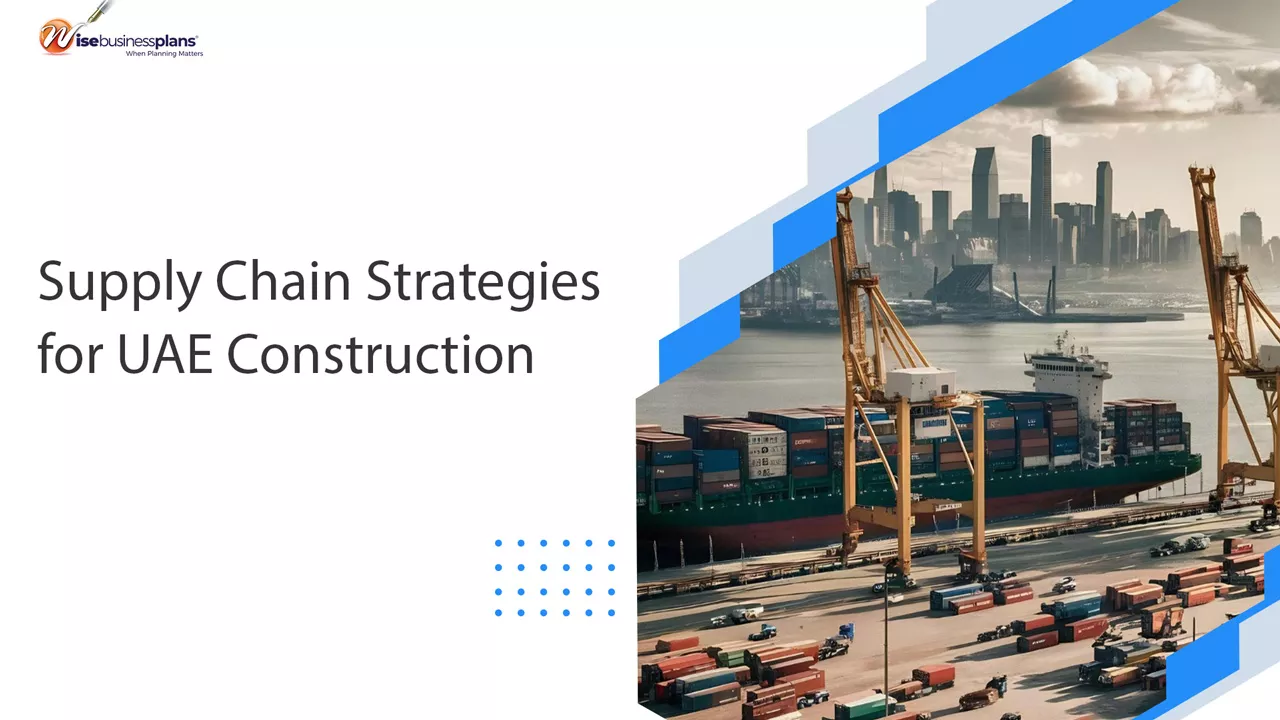
The UAE’s construction boom has come with fast-rising material prices and supply chain tensions that threaten to derail budgets and timelines. Builders now face volatile costs for steel, cement, and imported goods due to global shipping disruptions and increased local demand. This prompts industry leaders to reconsider traditional procurement and logistics strategies.
To remain competitive, UAE developers are adopting smart supply chain tactics that extend beyond simple price lists. Approaches such as long-term supplier contracts, diversified sourcing, and predictive demand planning are essential for mitigating the impact of price fluctuations. These tactics help maintain cash flow and minimize panic buying during unexpected market shifts.
Technology also plays a pivotal role in addressing supply chain challenges. Tools such as advanced forecasting systems and centralized dashboards, which are common in every ERP for construction companies, provide firms with real-time visibility and better control over material costs and timelines.
Ultimately, the most successful builders combine innovation with agility. By strengthening supplier partnerships, leveraging data insights, and optimizing storage and transportation logistics, UAE construction firms are not merely reacting to price volatility — they are anticipating it, transforming unpredictability into a strategic advantage in a competitive market.
Strategic Supplier Management
In the UAE construction industry, managing supplier relationships is a critical strategy for dealing with material price volatility and supply‑chain uncertainty. Rising material costs and global supply disruptions have put pressure on project budgets and delivery timelines, making proactive supplier management essential for cost control and reliability.
By cultivating strong partnerships, spreading risk, and securing flexible contracts, builders can create more resilient supply networks that withstand price swings and logistics challenges. These practices help keep projects on time and within budget while protecting margins.
Build Long-Term Supplier Partnerships
Long-term relationships with key suppliers create stability and mutual benefit. A strategic partnership isn’t just a purchase agreement — it is a formal collaboration where both parties work toward shared outcomes like reliable delivery, quality standards, and cost visibility.
These relationships often result in better responsiveness during market volatility and can secure preferential pricing or priority allocations when supply is constrained.
Steps to build long-term partnerships:
Identify core materials and services critical to your projects (e.g., cement, steel).
Select suppliers with a strong performance history and financial stability.
Formalise agreements that specify expectations, performance metrics, and collaboration goals.
Maintain regular communication and performance reviews to reinforce trust and adapt to market changes.
Share forecasts and project pipelines with suppliers so they can plan capacity and pricing.
These steps help create win-win supplier dynamics rather than transactional, spot-buy relationships.
Diversify Sourcing and Supplier Risk
Relying on a small set of suppliers increases exposure if prices spike or deliveries are delayed. Diversification spreads risk across multiple sources — local, regional, and global — reducing the impact of a disruption from any single vendor. This aligns with strategic sourcing principles that prioritise value and reliability over the lowest price alone.
Practical steps to diversify sourcing:
Map the current supply base to identify single-source dependencies.
Research alternative suppliers in the UAE, GCC, and global markets.
Establish qualification criteria for new suppliers (quality, capacity, delivery reliability).
Pilot smaller orders with new vendors before full integration.
Incorporate supplier performance metrics (on-time delivery, defect rates) into your procurement scorecard.
Diversification — including regional suppliers — helps UAE firms reduce reliance on imports and improve resilience during price volatility or logistics delays.
Negotiate Flexible and Performance-Based Contracts
Supplier contracts are not static; they should be designed to share risk and reward, especially in volatile markets. Flexible contracts can include mechanisms like rate agreements, volume rebates, indexed pricing, or performance-linked incentives that protect both parties. A rate contract, for example, locks in a fixed price or price variation range for a period, helping stabilise costs even when market prices move.
Steps for negotiating flexible contracts:
Define clear performance indicators (delivery timeliness, quality standards).
Include pricing clauses that allow adjustments based on agreed benchmarks (commodity indexes, fair price formulas).
Set volume commitments in exchange for better pricing or priority deliveries.
Build in escalation and dispute resolution paths to handle unforeseen market shifts.
Review contracts regularly to ensure they remain aligned with current market conditions and project needs.
Performance-based terms motivate suppliers to improve service and reliability, and flexible pricing terms help contractors manage cost risk without sacrificing relationships.
Advanced Procurement and Inventory Strategies
To manage material price volatility and avoid costly shortages or over‑ordering, UAE builders are adopting advanced procurement and inventory strategies. These approaches help firms align material availability with project timelines, reduce carrying costs, and improve responsiveness to changing market demands.
By combining forecasting, buffer stock, and lean inventory practices, contractors can strike a balance between supply security and cost‑efficiency.
Forecasting Demand and Proactive Procurement
Accurate demand forecasting is foundational for managing materials in volatile markets. By anticipating what and when materials will be needed, firms can plan procurement in advance and avoid both shortages and excess stock. Digital systems can support demand forecasting by analyzing historical data, current project schedules, and market trends — enabling predictive ordering.
Steps for forecasting and proactive procurement:
Collect historical usage data for key materials across projects.
Incorporate project schedules and future commitments to create baseline forecasts.
Use digital forecasting tools or ERP-embedded analytics to refine predictions.
Plan purchase orders well ahead of lead times to lock in prices and secure supply.
Review forecasts regularly against actual usage and adjust future procurement accordingly.
This structured forecasting reduces guesswork and helps align procurement with real demand, strengthening resilience against price swings and delays.
Maintaining Strategic Buffer Inventory
While lean approaches aim to minimise excess stock, strategic buffer inventory can protect against supply disruptions — particularly for critical materials that have long lead times or volatile pricing. Keeping a planned safety stock ensures that work can continue even if suppliers face delays. Buffer levels should be set based on project risk profiles, material cost volatility, and supplier reliability.
Steps to establish buffer inventory:
Identify high-risk or critical materials (e.g., steel, cement, finishing components).
Determine appropriate safety stock levels based on variability in demand and delivery times.
Monitor stock levels continuously using digital tools to trigger replenishment before shortages occur.
Balance buffer costs vs risk tolerance — avoid tying up capital in unnecessary stock.
Review buffer effectiveness periodically and adjust based on performance metrics.
By strategically holding safety stock for crucial items, UAE contractors can dampen the impact of external volatility without overburdening working capital.
Just-in-Time and Lean Inventory Practices
Just-in-Time (JIT) inventory management minimises inventory holdings by synchronising deliveries with actual usage needs. This approach reduces carrying costs and frees up capital, but it requires precise forecasting and reliable supplier coordination. JIT is especially effective when supported by digital systems that track demand signals and supply status in real time.
Steps to implement JIT and lean practices:
Map the supply chain to understand lead times and potential bottlenecks.
Strengthen supplier relationships to ensure timely deliveries.
Set up inventory triggers and automated replenishment through ERP or inventory systems.
Monitor actual usage vs forecasts and adjust JIT triggers accordingly.
Continuously improve processes by reviewing what worked and where delays occurred.
When done right, JIT reduces waste, improves cash flow, and aligns inventory levels closely with project needs — although it requires robust digital tools and a dependable supply network.
Conclusion
UAE construction firms are under constant pressure from material price volatility, supply‑chain disruptions, and rising project costs — trends seen across the sector due to global inflation and logistics bottlenecks. Contractors that lean on strategic supply‑chain practices are better positioned to absorb shocks and maintain project momentum rather than simply react when prices spike.
The strategies explored — from building strong, long‑term supplier partnerships and diversifying sources to adopting flexible contracts and sophisticated procurement — create resilience and flexibility in material supply. These approaches help firms manage costs deliberately rather than being held hostage by market swings.
Ultimately, managing material price volatility is about designing supply‑chain systems and workflows that enable contractors to plan, make better‑informed decisions, and execute with confidence. Firms that do this consistently not only control costs more effectively but also strengthen their competitive position in the UAE’s dynamic construction landscape.


