
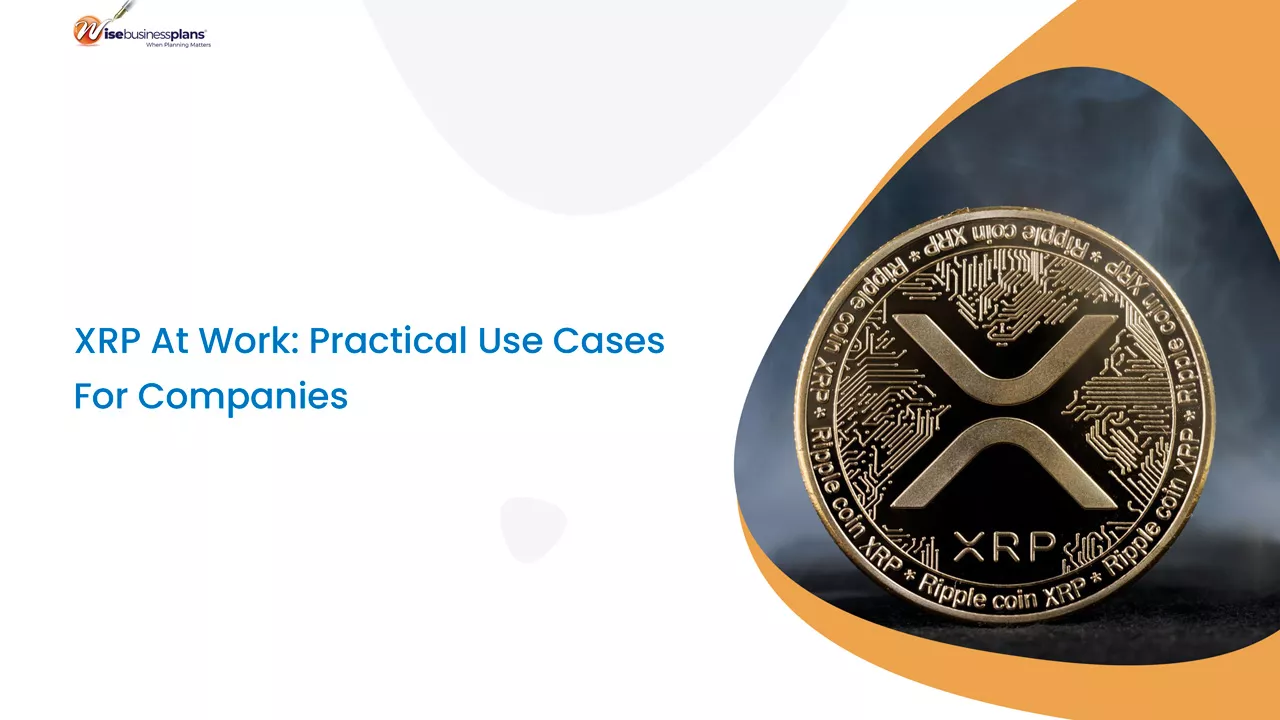
Bitcoin is distinguished as a store of value, often compared to gold, and major banks, asset managers, and payment firms are increasingly incorporating it into their portfolios to elevate their risk-return metrics. XRP was introduced to address some of Bitcoin’s well-known limitations, namely speed, cost, scalability, and energy efficiency. David Schwartz, Jed McCaleb, and Artur Britto aspired to create a more sustainable system for sending value.
The United States has witnessed the debut of its first exchange-traded fund (ETF) designed to mirror the performance of the third-largest cryptocurrency. On the day of the debut, September 21, XRP escalated by roughly 5%, reaching as high as $3.13, but that rally was short-lived, the price slipping back below $3 in just 24 hours. The most current XRP price prediction is bullish, with the cryptocurrency expected to reach $3.626228 by 2030. There’s potential for $5-$9 by year-end, but only if catalysts like global regulatory clarity materialize.
Designed specifically for use by enterprises, especially in the financial sector, XRP represents a bridge between traditional finance and blockchain innovation. It stands apart as more than just another digital asset. To explore its unique role, continue reading below.
Cross-Border Payments
XRP enables efficient cross-border payments, settling thousands of transactions in a matter of seconds due to its XRP (XRPL) Ledger. XRPL uses a voting-based consensus algorithm to reach agreement that works by capitalizing on a Unique Node List, that is, a trusted subset of trusted validators chosen by each server, to ensure consensus. XRP transactions often cost fractions of a penny, which means they’re inexpensive enough to empower a wide range of business use cases.
Banking & Financial Institutions
XRP facilitates the transfer of value between two or more government-issued currencies for international payments, therefore eliminating the need for nostro/vostro accounts and pre-funding in various currencies. The sender’s fiat currency – e.g., US dollars – is converted into XRP, which is sent across the Ripple network, as it’s much faster and cheaper than traditional banking networks like SWIFT. Upon arrival, the XRP is converted back into the desired currency.
By using XRP’s On-Demand Liquidity (ODL), financial institutions can safeguard financial stability, so it would be logical to consider all viable instruments. In markets where liquidity drives the price and reach of cross-border payments, ODL delivers a powerful advantage. The result is greater efficiency, lower risk, and the ability to scale cross-border operations with confidence. Many organizations are already using ODL to manage payments, including but not limited to Azimo, Intermex, Travelex Bank, and SBI Remit.
Remittances
For people living and working abroad, sending money back to their families is frustratingly sluggish, overpriced, and inefficient. Normally, the payment goes through banks, which introduces multiple intermediaries, and this means settlement can take between three and five days with high fees. A remittance company leveraging XRP can send millions globally for a fraction of the cost compared to traditional bank wires. MoneyGram, for instance, has acknowledged a significant reduction in costs and an increase in processing speed since partnering with Ripple.
E-Commerce & Micropayments
XRP can be integrated by businesses to accept payments for goods and services. Online retailers and freelancers can sign up with a cryptocurrency payment processor or a dedicated platform to bypass the traditional, slower, and more expensive correspondent banking system. As a digital asset, XRP can be stored in various wallet types, such as cold wallets for maximum security. Since transactions are confirmed and settled in seconds, this is helpful in a micropayment context where small delays generate higher costs.
Peer-To-Peer Payments
Sending money using XRP takes a few seconds and no effort because the information required for completing the transaction is contained within the application itself. Both the sender and the receiver are connected to the same network – i.e., RippleNet – and this eliminates the need for intermediaries, currency conversions, and manual approvals. It’s the optimum choice for industries requiring small, frequent transactions, which often involve a large number of customers making relatively low purchases.
Decentralized Finance (DeFi)
At its core, the XRP Ledger features a built-in decentralized exchange (DEX), allowing users to trade assets directly on-chain without relying on third-party platforms. This DEX is strengthened by an automated market maker (AMM), which guarantees continuous liquidity and efficient pricing for trades, making asset swaps straightforward and cost-effective. If a business needs to pay a supplier or contractor in another currency, it can instantly exchange one currency for another.
XRP also offers the ability to tokenize virtually any asset., including stablecoins for payments, loyalty points for customer engagement, and even real-world assets like commodities, real estate shares, or carbon credits. By issuing these tokens directly on the XRP Ledger, companies gain access to a global, interoperable marketplace with instant settlement, transparent rules, and low transaction costs. Tokenization also plays an important role in supply chain management, guaranteeing the traceability and authenticity of goods for manufacturers and consumers alike.
Concluding Observations
The goal of Ripple is to make XRP the go-to option for businesses and financial institutions by adding better security, lending options, and Ethereum compatibility. Stronger security ensures compliance and trust for enterprise adoption, whereas lending options open the door for businesses to access liquidity without tying up capital. Ethereum compatibility, via sidechains and interoperability features, allows developers to build decentralized applications and smart contracts on XRPL, bridging the gap between traditional finance and the broader DeFi ecosystem.
Business adoption of XRP is expected to grow in the coming years, especially now that Ripple and the Securities and Exchange Commission (SEC) have agreed to end the long-standing legal battle by dismissing their appeals. Major corporations in Asia, Latin America, and Europe are already integrating Ripple’s On-Demand Liquidity, moving away from an antiquated, inefficient system to one that is modern, fast, transparent, and significantly more cost-effective. Blockchain-driven companies often consult an SBA Loan Business Plan Writer to validate financial models.
New use cases such as stablecoin issuance and treasury management are emerging. The XRP Ledger allows businesses to issue their own stablecoins without needing smart contracts, and this direct issuance could be an attractive prospect for governments exploring central bank digital currencies (CBDCs). Firms are now holding XRP in their treasuries, similar to how Bitcoin was once used as a balance sheet asset, but unlike Bitcoin, XRP is acclaimed for speed, liquidity, and yield potential.


