
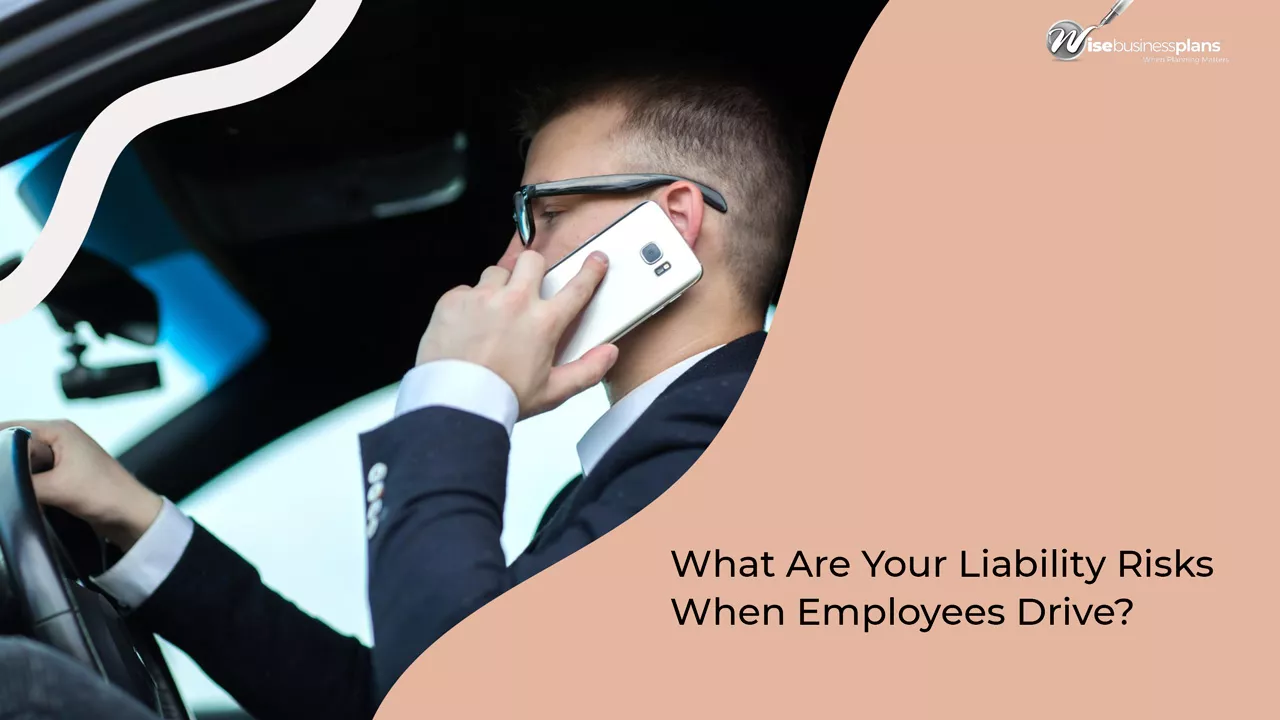
When you assign some of your employees to drive, whether in company-owned vehicles or their own cars for work, you can face a web of legal and financial exposures while they’re engaged as such. These risks are quite real and backed by data, and understanding them can help you protect your business, your team, and your bottom line every workday.
Why This Matters to You
Today, motor vehicle crashes are said to be the leading cause of work-related deaths and a top financial burden for employers in the United States. In 2022, more than 1,300 U.S. workers driving or riding in a motor vehicle during work-related activities died, making up roughly one-quarter of all work-related deaths that year.
These crashes also generate costly workers’ compensation and liability claims.
Here’s a rundown of some risks you may need to manage, with definitive steps to help you reduce, if not avoid them.
Vicarious Liability Makes You Responsible for Employee Driving Mistakes
When the driver you hire is on the wheel and is performing “job duties,” you can become legally implicated and made responsible for any injury or damage they may cause. It’s not actually about blame; it’s more about that legal doctrine known as “vicarious liability” or “respondeat superior.”
This means that you may be liable even if you did nothing wrong yourself, as long as the injury caused happened while your worker was performing under your instruction.
That’s why:
- If your employee is on the clock and a crash occurs in the course of business, courts often hold the employer liable for third-party damages.
- A very material factor is whether the driver was performing duties for your company at the time of their mishap. While rare, personal errands taken during a work trip might still trigger liability if they’re just small detours within the scope of your driver’s employment.
Because driving today is such a common work function, you need to ask yourself if your operations plan took these probable risks into account. This may include thinking about how you would demonstrate due diligence if their case reaches litigation.
Negligent Entrustment Means You Could Be Sued for Bad Hiring or Monitoring
Today, and beyond vicarious liability, negligent entrustment and vehicle exposure arise when you allow an unsafe or unqualified driver to operate a vehicle for your business. This may happen in many surprising ways:
- Hiring an employee with repeated moving violations or a revoked license to drive for work
- Allowing an unlicensed or incompetent driver to use your firm’s vehicle
- Ignoring motor vehicle record checks or failing to act when your employee’s driving history already deteriorated
You need to note that the law treats vehicles as “dangerous instrumentalities,” so entrusting them to someone you know possessing unsafe skills and attitude can make your institution directly liable for accidents they may cause.
Real Consequences After a Crash: Legal Exposure and Injury Risk
If a crash occurs, third parties and your employees themselves may pursue serious claims and file suits. Most of the time, the severity of crashes makes their risks more than academic. Some experts even estimate that U.S. traffic crashes cost employers tens of billions of dollars annually in direct crash-related liabilities.
In severe or commercial vehicle mishaps, upcoming claims can involve multiple parties and quite complex liabilities. That’s why you may want to find a local truck accident lawyer here if you or your employee is dealing with injuries after a serious collision. You need a local law firm’s legal expertise and experience to reliably walk you through the rules and ordinances, especially in Marin County and nearby areas.
Personal Vehicles Used for Work Add Another Layer of Risk
When employees drive their own cars for business purposes, your liability exposure may not be avoided. If they’re working on a task and cause a crash, the injured party can pursue your firm under vicarious liability, and your insurance may be called upon after your employee’s personal auto liability coverage is exhausted.
That’s why, without clear policies and proper insurance endorsements for “hired and non-owned” vehicles in your company, you could face and be surprised by uncovered losses or increased premiums anytime.
Poor Policies and Monitoring Can Make You a Target
Today, ambiguous or nonexistent vehicle use policies invite legal and financial risks, especially if you fail to address material issues at the beginning, like:
- Define what constitutes authorized business driving, and
- Track driver behavior through motor vehicle record (MVR) checks and enforce standards,
You may be surprised that courts are quite willing to impose liability for attendant negligent hiring or supervision.
Bottom Line
Your liability risks when employees drive are real and surprisingly measurable if you take the time beforehand. You need not wait for legal doctrines and clutches to get you before you arm yourself with ways to avoid them.
Using policies, training, insurance, and monitoring can help you significantly tone down any risk, even with employee drivers. Still, when serious collisions occur, consider expert legal assistance right away to help shield and walk you through complex liability issues.


