
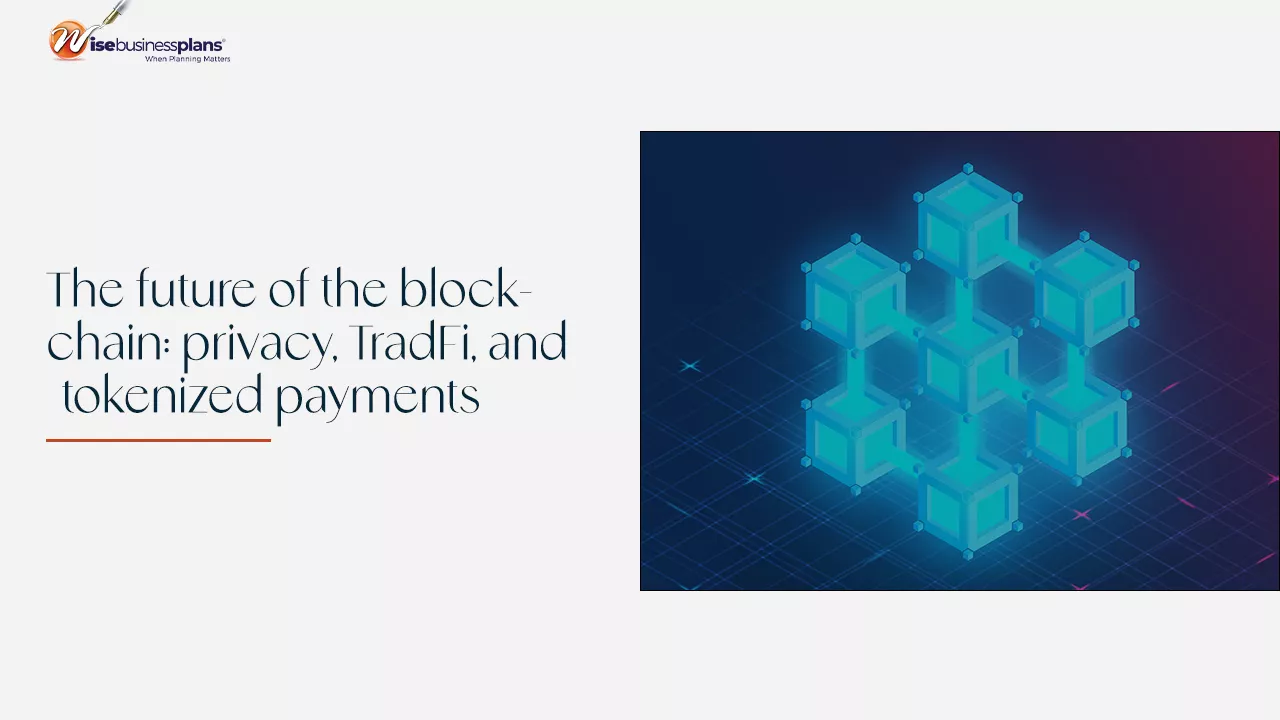
The blockchain is a distributed ledger composed of a growing list of records that are linked together via cryptographic hashes. Every single block contains a timestamp, a cryptographic hash of the previous block, and transaction data represented as a Merkle tree where the data nodes are depicted as leaves. The fact that information about the previous blocks is always included is what makes the data collection a chain, as it is comparable to linked list data structures. As a result, all transactions occurring on the blockchain are also resistant to alterations and modifications of any type. Once recorded, the data from a block cannot be retroactively changed without having to alter all subsequent blocks and having to obtain network consensus in order to accept the changes.
Blockchains are traditionally managed by P2P computer networks, with all nodes adhering to a consensus algorithm protocol in order to both add and validate new blocks in an adequate manner. Given the integration of blockchain forks, the networks can be regarded as secure by design (a concept that refers to systems that were built with security as a foundational property rather than an afterthought or an addition) and are a key example of distributed systems with high Byzantine fault tolerance. Knowing how the blockchain operates and what you can expect from the environment is very important for each and every investor, alongside learning about macroeconomics, volumes, engagement rates, and the particulars of the coin you’re looking to include in your portfolio, such as the XRP news today.
Keeping up with all this information may sound tedious and exhausting in equal measure, but it is the only way to ensure your portfolio is safe and remains robust even when prices fluctuate.
Maintaining privacy
The reason why blockchains and cryptocurrencies have become so popular in the first place is that they can maintain the full anonymity and privacy of their users. This is a characteristic many feel has been lacking from standard, centralized financial services, and they’ve set out to find an alternative as a result. The blockchain has been able to fulfill that role, at least so far. Over the past few years, there have been growing discussions about establishing a suitable regulatory framework for cryptocurrencies, enabling them to be integrated into more traditional financial frameworks.
Ensuring more transparent regulations would also help with safety, making potential investors more confident about investing in crypto without concerns about losing their capital. However, these rules could also make it much more difficult for the crypto market to continue operating in the way it has so far. Drastic shifts would most likely alienate the majority of investors and cause serious problems for cryptocurrencies in the long run. At the moment, blockchain stakeholders and policymakers are still negotiating the EU AML framework’s upcoming ban on the privacy-preserving tokens, which should come into effect in 2027.
Credit and financial institutions, as well as crypto service providers, will be prohibited from handing privacy-preserving crypto coins under the European Union’s Anti-Money Laundering Regulation. The idea here is to prevent scams and other criminal activities, while also enforcing policies that benefit everyone.
Traditional finance
The Financial Conduct Authority in the United Kingdom is considering whether the Consumer Duty should apply to cryptocurrencies. The rule is typically enforced for companies in order to ensure positive outcomes are delivered. The fact that the UK’s top financial regulator has made this announcement means that the next step in the creation of a regulatory framework could be very soon. The purpose of these rules would be to balance competitiveness and development with the proper protections for consumers, as well as guarantee market integrity at every step of the way.
The risks associated with the crypto market won’t be entirely eliminated, but companies should have an easier time meeting common standards. This means that everyone will have a much more comprehensive understanding of what they can expect in both the short- and the long-term. The FCA has also revealed that the requirements are similar to those that apply to traditional institutions. Operational resilience and protections against financial crime are must-haves, but discussions pertaining to the unique issues that impact cryptocurrency markets have also been opened
Tokenized payments
Japan’s SBI Shinsei Bank, Limited, a leading diversified financial institution that provides a wide range of products and services to individuals and companies alike, could develop a blockchain-based settlement system for tokenized deposits in both the Japanese yen and several other major fiat currencies. The bank has joined forces with the Singapore-based Partior and the DeCurret DCP from Japan for this project, aiming to ensure cross-border transactions. A memorandum of Understanding was signed recently.
The plan is to design and develop a blockchain-based settlement framework that can support real-time clearing in multiple currencies. Including other major fiat currencies apart from the yen would help with faster international payments as well, which is why it is also part of the proceedings. As tokenized payment infrastructures continue to evolve, compliant access points that enable participation in digital asset ecosystems are becoming increasingly important. Providers such as Mercuryo help users and businesses buy ETH using familiar payment methods, supporting the broader shift toward faster, borderless financial settlement. Multicurrency settlement infrastructures are already used by major financial institutions from all over the world, including Deutsche Bank, JP Morgan, DBS, and Standard Chartered. According to Binance.com co-founder Yi He, “Crypto isn’t just the future of finance – it’s already reshaping the system, one day at a time.”, so having a global settlement network that operates 24/7 would definitely be very helpful.
Swiss banks
Three Swiss banks have become the first to complete legally-binding blockchain payments: PostFinance, UBS, and Sygnum Bank. Doing so has proven the efficacy of the technology for both institutional payment infrastructure and bank deposits, being a big step forward for the environment. The institutions completed proof-of-concept solutions that have tested blockchain technology and smart contracts for interbank payments. They operated under the umbrella of the Swiss Bankers Association (SBA) to conduct a feasibility study on blockchain and deposit tokens, as well as payment infrastructure based on it.
The first use case completed a payment between bank customers, while the second tested escrow procedures that exchanged deposit tokens for RWAs. The underlying smart contracts enabled technical security, regulatory compliance, and processes that are entirely verifiable, showing that blockchains have the ability to trigger legally binding payments.
If you’re an investor, you know that navigating the marketplace isn’t easy. Being knowledgeable about the latest news and changes in the crypto ecosystem is the best way to ensure that your portfolio remains safe and continues to do so in the long run, as changes continue to occur in the blockchain sector.


