
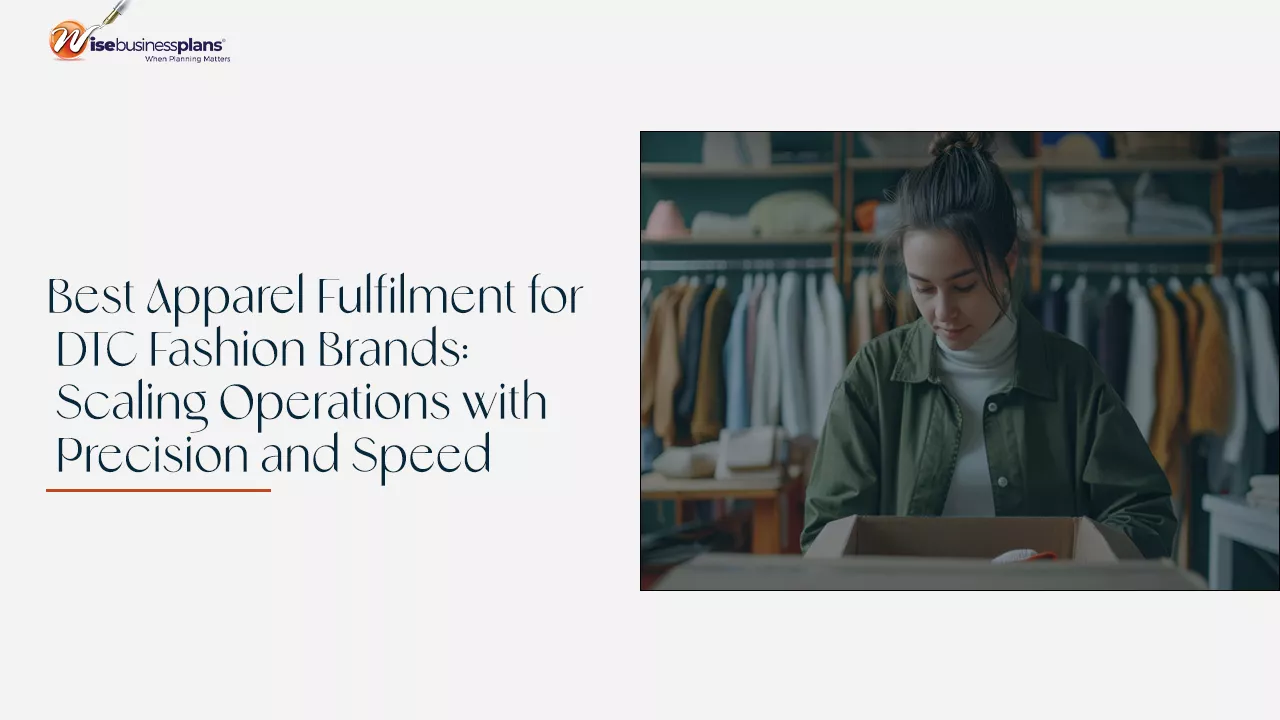
Running a DTC fashion brand means you manage constant change, from new launches to shifting demand across channels. Your fulfilment strategy directly shapes delivery speed, inventory accuracy, and the overall experience your customers associate with your brand.
The best apparel fulfilment for DTC fashion brands gives you accurate inventory control, fast and flexible shipping, and the operational support to scale without losing consistency. You need a partner and process that handle apparel-specific complexity, integrate with your tech stack, and protect your margins while meeting rising customer expectations.
1. OpsEngine
OpsEngine focuses on apparel fulfillment built for DTC and B2B fashion brands. You can use their apparel fulfillment services to manage fast-moving SKUs, seasonal spikes, and complex size and color variants. They position their offering around speed, scalability, and operational control.
You benefit from support for direct-to-consumer shipping as well as wholesale orders. This matters when you sell across your own storefront, marketplaces, and retail partners. You can centralize inventory while keeping order routing and shipping workflows aligned with each channel.
Apparel brands often face high return rates and strict presentation standards. OpsEngine highlights easy returns and structured processes designed for clothing and fashion products. That focus helps you maintain consistency from pick and pack to final delivery.
If you plan to scale, you need a 3PL that adapts to growth without adding operational friction. OpsEngine emphasizes flexible solutions that adjust as your order volume increases
2. Fulfillment
You need a fulfillment process that handles apparel with precision and speed. Clothing requires more care than standard products, from proper folding to protective packaging that prevents wrinkles or damage. Small errors in size, color, or SKU selection quickly lead to returns and lost trust.
Your fulfillment partner should manage receiving, storage, picking, packing, and shipping with clear systems in place. Real-time inventory visibility helps you track fast-moving SKUs, seasonal collections, and size variations. This control reduces stockouts and overselling across your DTC channels.
Apparel brands also face high return volumes. You should look for streamlined returns processing that inspects, restocks, or routes items efficiently. Fast return handling protects your margins and keeps inventory accurate.
Scalability matters as your brand grows. New product drops, influencer campaigns, and seasonal spikes can increase order volume quickly. A capable 3PL adjusts labor, space, and shipping capacity without disrupting service levels.
Custom packaging and branded inserts also support your customer experience. You want fulfillment that delivers orders accurately, on time, and in packaging that reflects your brand standards.
3. FedEx Fulfillment for Fashion
FedEx Fulfillment offers scalable logistics support for apparel brands that sell direct to consumer. If you manage clothing, footwear, or related consumer goods, you can use its network to handle storage, picking, packing, and shipping from within the United States.
You benefit from FedEx’s established transportation infrastructure, which supports domestic and international ecommerce orders. This setup can help you reach U.S. customers faster if you operate as an overseas fashion brand entering the market.
FedEx Fulfillment also supports growing merchants that need consistent shipping performance during peak seasons. As your order volume increases, you can scale without changing carriers or rebuilding your logistics network.
For fashion brands, reliable delivery and accurate order processing matter. By integrating fulfillment with a major carrier, you keep shipping, tracking, and returns within one connected system, which can simplify operations and improve visibility into your supply chain
Key Factors in Choosing Apparel Fulfilment for DTC Fashion Brands
Your fulfilment partner directly affects inventory accuracy, customer satisfaction, and repeat purchases. You need a provider that scales with demand, connects seamlessly to your tech stack, and delivers orders on time without errors.
Scalability and Customization
You need a fulfilment partner that can grow with your brand without disrupting operations. Seasonal spikes, product drops, and influencer campaigns can quickly multiply order volume.
Ask how the provider handles:
- Sudden order surges
- New SKU launches and size variations
- Returns processing at scale
- International expansion
Apparel requires specialized handling. Your partner should fold garments correctly, protect fabrics from damage, and manage size and color variants with precision. Even small picking errors increase return rates and reduce margin.
Customization also matters for brand presentation. Look for options such as branded packaging, custom inserts, kitting, and sustainable materials. These details shape your customer’s experience and reinforce brand identity.
If you plan to expand into new regions, confirm warehouse locations and multi-node fulfilment capabilities. Distributed inventory reduces transit times and shipping costs.
Integration With eCommerce Platforms
Your fulfilment system must connect directly to your eCommerce platform and other operational tools. Manual order uploads increase errors and slow down processing.
Prioritize providers that integrate with:
- Shopify, WooCommerce, or Magento
- Marketplaces such as Amazon
- Inventory management systems
- ERP and accounting software
Real-time inventory syncing prevents overselling and stockouts. When your stock levels update automatically across channels, you avoid disappointing customers.
You should also review reporting capabilities. Clear dashboards that track order accuracy, return rates, and fulfilment times allow you to spot operational issues early.
Strong integrations reduce administrative work and give you better control over forecasting and replenishment decisions.
Shipping Speed and Reliability
Fast shipping influences conversion rates and repeat purchases. Customers expect predictable delivery windows and accurate tracking.
Evaluate:
- Average order processing time
- Same-day or next-day fulfilment cutoffs
- Carrier partnerships and negotiated rates
- On-time delivery performance metrics
A strong partner maintains consistent service-level agreements and monitors carrier performance. They also provide automated tracking updates and proactive issue resolution.
Location matters. Warehouses positioned near your primary customer base reduce transit times and shipping costs. If you sell internationally, confirm customs handling and cross-border expertise.
Reliable shipping protects your reputation and reduces support tickets. When orders arrive on time and in good condition, you retain more customers and lower operational friction.
Apparel Fulfilment Challenges Unique to DTC Fashion Brands
DTC fashion brands face operational pressure that wholesale-heavy brands often avoid. You must manage fast-changing inventory and high return volumes while protecting margin and customer experience.
Inventory Management for Seasonal Collections
Seasonality drives sharp demand swings in fashion. You launch limited collections tied to seasons, trends, or drops, and unsold stock quickly loses value.
You must forecast at the SKU level, including size and color variants. A single style can create dozens of SKUs, and one missed size curve can leave you with excess smalls and stockouts in mediums.
Key pressure points include:
- Short selling windows for seasonal items
- Frequent new product introductions
- SKU complexity across sizes, colors, and fits
- Limited storage space for slow-moving stock
Use real-time inventory visibility across your website, 3PL, and returns center. Accurate stock counts prevent overselling and reduce cancelled orders.
You also need clear replenishment thresholds. For evergreen basics, automate reorders. For seasonal items, set firm cutoffs and plan markdown strategies early to avoid tying up working capital in obsolete stock.
Reverse Logistics and Returns Optimization
Apparel carries some of the highest return rates in e-commerce, often driven by fit and sizing issues. In a DTC model, you absorb the full cost of return shipping, inspection, repackaging, and restocking.
You must process returns quickly to recover sellable inventory. A delayed inspection can make seasonal items unsellable at full price.
Focus on:
- Fast return authorization workflows
- Clear grading standards (resell, discount, liquidate)
- Accurate size charts and fit guidance to reduce avoidable returns
- Real-time updates to inventory after inspection
Track return reasons in detail. If “too small” dominates, adjust your size guide or supplier specs. If quality complaints rise, audit your production batch.
Efficient reverse logistics protects margin and improves customer trust. When you issue refunds quickly and restock sellable items without delay, you reduce revenue leakage and maintain operational control
Conclusion
The best apparel fulfilment strategy supports your inventory accuracy, speed, and brand experience without adding unnecessary complexity. When you align forecasting, SKU management, returns handling, and technology with a capable 3PL or in-house system, you reduce errors and protect margins.
You should prioritize partners and processes that handle apparel-specific needs such as size variation, careful packing, and high return rates. By building a flexible, data-driven fulfilment operation, you position your DTC fashion brand to scale efficiently while maintaining consistent customer satisfaction.
FAQs:
Apparel fulfilment refers to the end-to-end process of receiving, storing, picking, packing, and shipping clothing products to customers. For direct-to-consumer fashion brands, fulfilment is not just a back-end operational function – it is a direct extension of the customer experience. Every late delivery, incorrect size, or poorly packaged item damages brand trust and reduces the likelihood of a repeat purchase. In the DTC model where there is no physical retail buffer between the brand and the customer, the quality of your fulfilment operation is felt immediately and personally by every person who orders from you.
Clothing has a level of complexity that most product categories do not. A single item can exist in multiple sizes, colours, and styles – sometimes dozens of variants – and picking the wrong combination is one of the most common and costly errors in apparel fulfilment. Return rates in the apparel category average around 30 percent and can reach as high as 50 percent for some brands, meaning reverse logistics is as operationally important as forward fulfilment. Seasonal drops, influencer-driven demand spikes, and limited-edition releases also create sudden volume surges that general fulfilment providers are often not equipped to absorb without service degradation.
The transition point is usually when fulfilment errors, order delays, or the operational burden of managing inventory begins to compete with the time and energy needed to grow the brand. If your team is spending more time packing boxes and managing shipping issues than working on product, marketing, and customer acquisition, that is a strong signal. The same applies if you are experiencing stockouts, oversells, or returns backlogs that are affecting customer satisfaction. Partnering with a specialist apparel 3PL at the right moment frees your team to focus on growth while a provider built for this complexity handles execution.
The most important factors are proven experience with apparel specifically – not just general ecommerce – and the ability to handle variant-level SKU accuracy across size, colour, and style. You also need a partner who can scale labour and storage capacity quickly during product drops, seasonal peaks, and viral demand moments. A robust returns management process is non-negotiable given the return rates in fashion. Integration with your ecommerce platform – whether Shopify, TikTok Shop, or Amazon – should be seamless and real-time. Finally, look for a partner who treats packaging and presentation as part of the brand experience, not just a logistical step.
Poor fulfilment compounds quickly in a DTC model. A customer who receives the wrong item, a late order, or a creased and poorly packaged garment is unlikely to reorder and very likely to share the experience publicly. In fashion ecommerce, where word of mouth, social proof, and repeat purchase rates drive unit economics, a single bad fulfilment experience can cost you multiple future orders from that customer and their network. Brands that scale without fixing fulfilment first often find themselves fighting a reputational hole that requires significantly more marketing spend to overcome than simply getting operations right from the start.
Yes – and most overlook this entirely. Investors and lenders evaluating a fashion brand want to understand not just the product and the market, but how the brand will deliver on its promise at scale. A business plan that does not address the fulfilment model, the 3PL strategy, the cost structure of logistics, and how returns will be managed is a plan built on an incomplete picture of the business. Fulfilment costs directly affect gross margin and cash flow, and a brand that cannot clearly articulate its operational model from order placement to delivery is harder to fund and harder to scale.visit the business plan writing services page.


